


Glaucoma
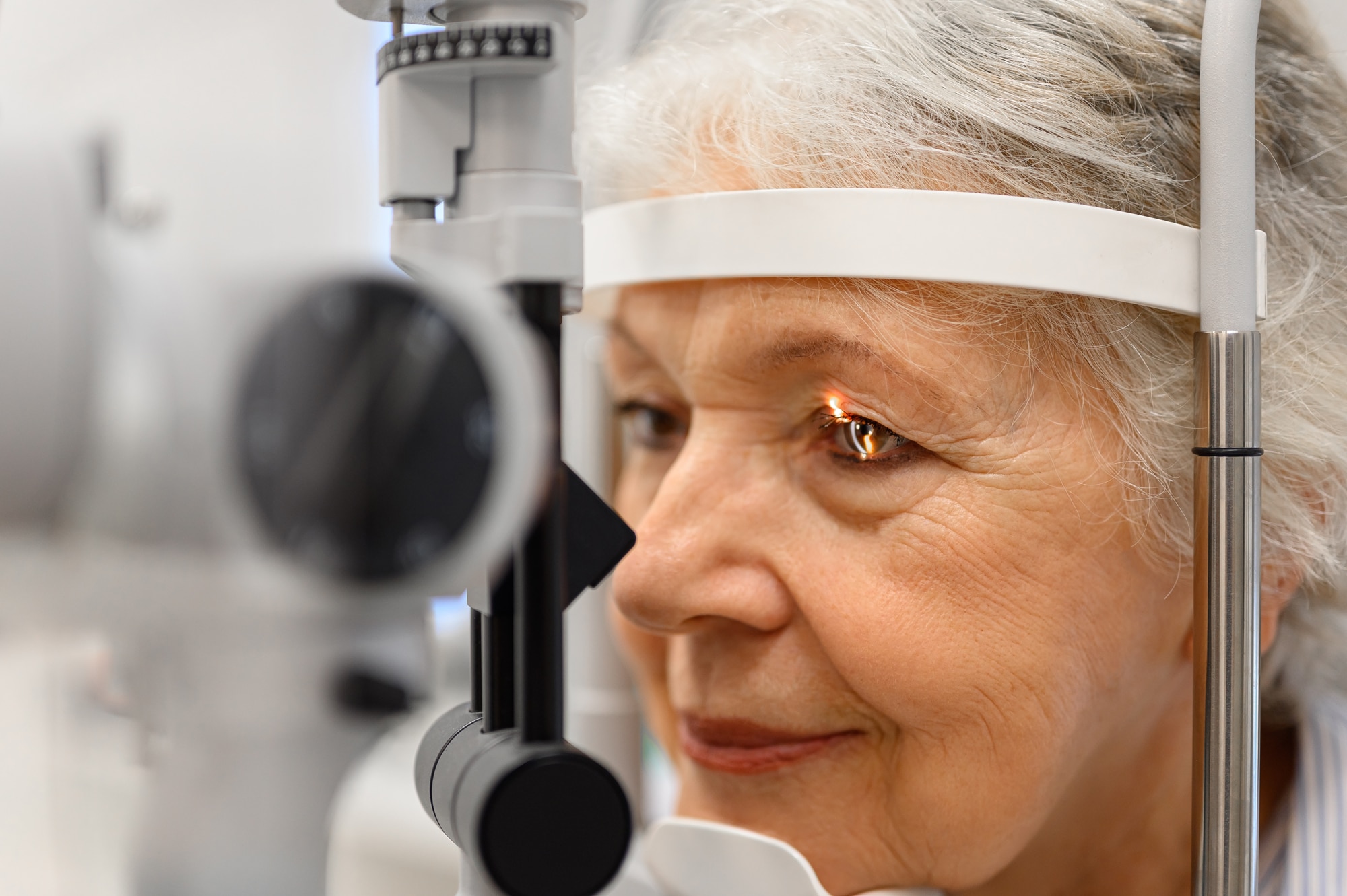
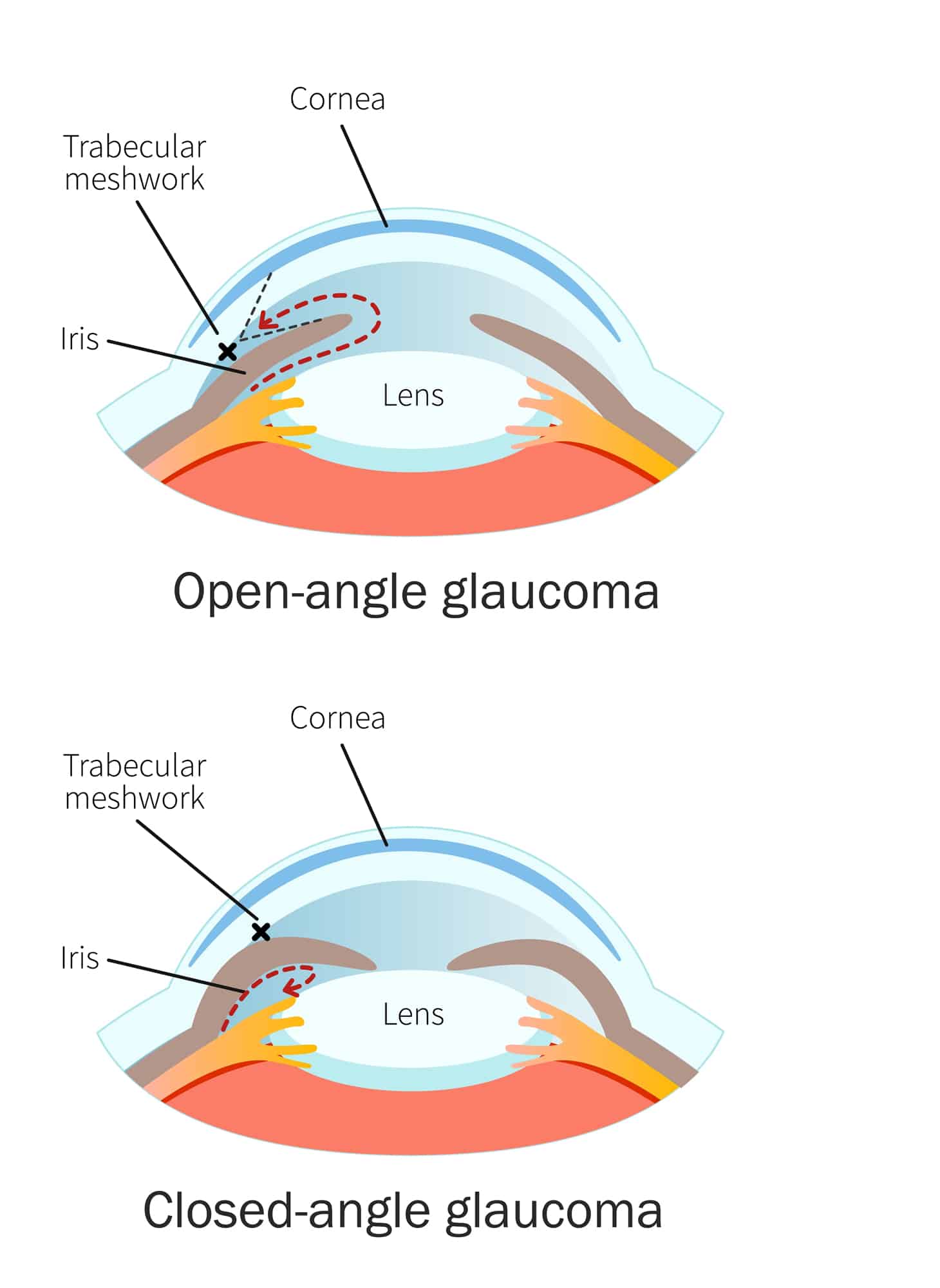
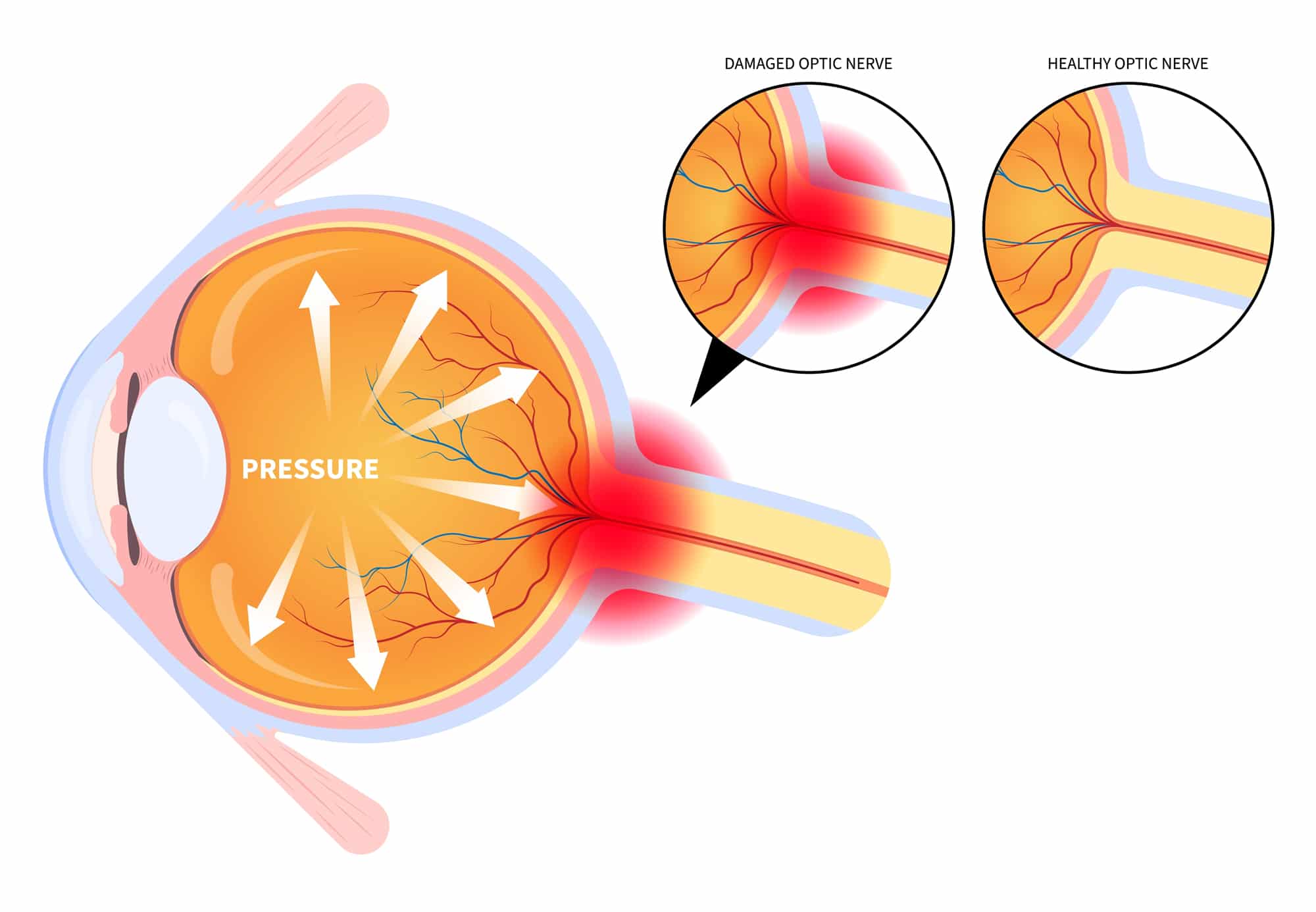
Glaucoma slowly damages the optic nerve, the cable that carries what your eye sees to your brain, usually because the pressure inside the eye is too high. Early on there are typically no symptoms: most people notice nothing while it happens. Vision glaucoma has taken can’t be brought back, but with treatment, the vision you still have can usually be protected. That’s why we check for it at every comprehensive exam, with an eye pressure measurement, a careful look at the optic nerve, and OCT imaging (a detailed scan of the nerve) and visual field testing when something looks suspicious. Treatment starts with pressure-lowering eye drops, and also includes laser treatment (SLT) and minimally invasive glaucoma surgery (MIGS) when drops aren’t enough.
Macular Degeneration (AMD)
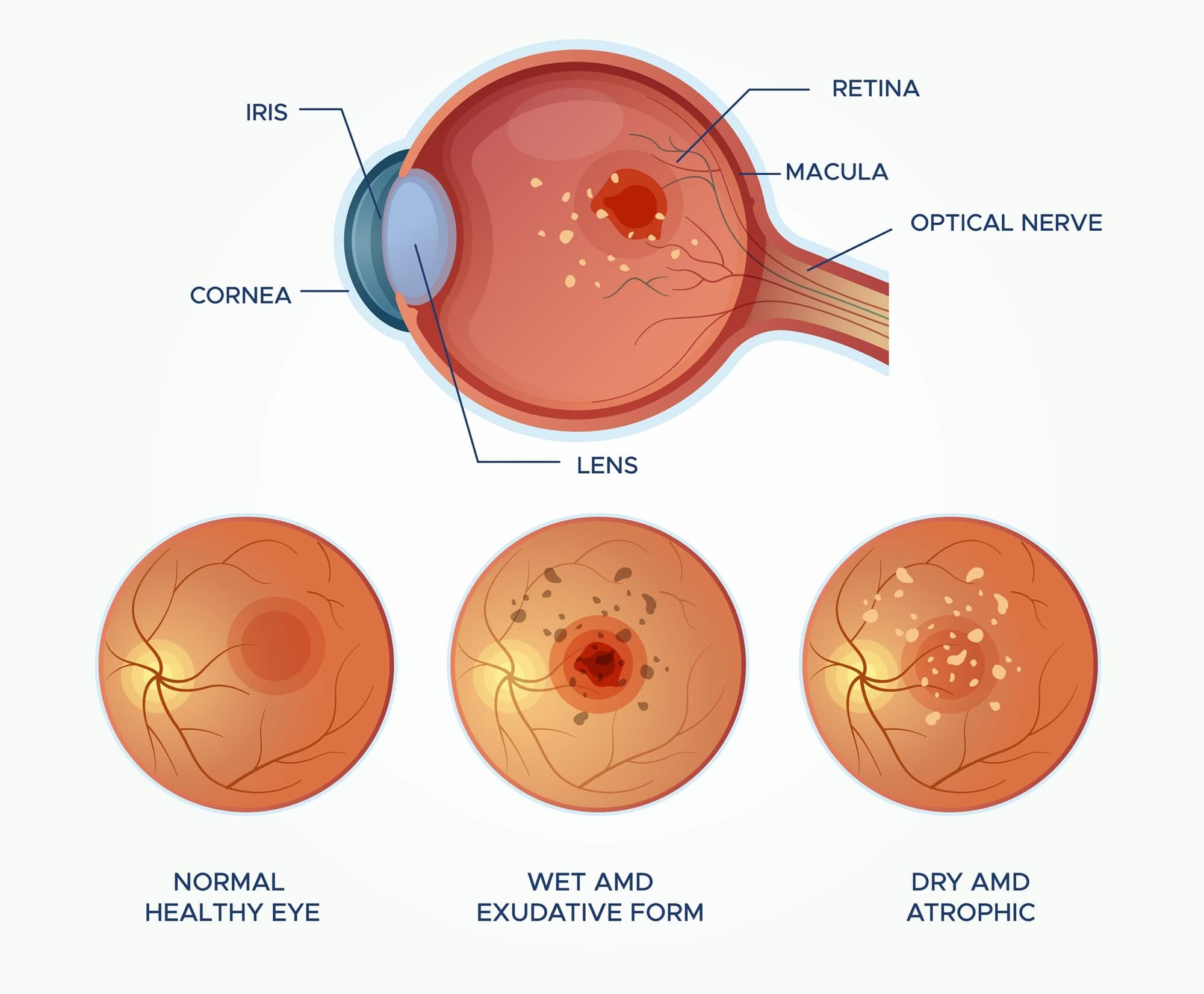
Age-related macular degeneration affects the macula, the small central part of the retina you use for reading, driving, and recognizing faces. It’s one of the most common causes of vision loss after age 50. The early, dry form usually develops slowly and without symptoms, so we watch for it with retinal imaging at your regular exams. Once AMD reaches the intermediate stage, a specific vitamin formula called AREDS2 has been shown to lower the risk of progression, and we’ll tell you if you’re a candidate. The wet form is more aggressive and is treated with injections by a retina specialist; if you develop it, we refer you promptly and coordinate that care. One thing worth checking at home: if straight lines ever start to look wavy or bent, call us. That’s a classic early sign of wet AMD.
Diabetic Retinopathy (Diabetic Eye Disease)
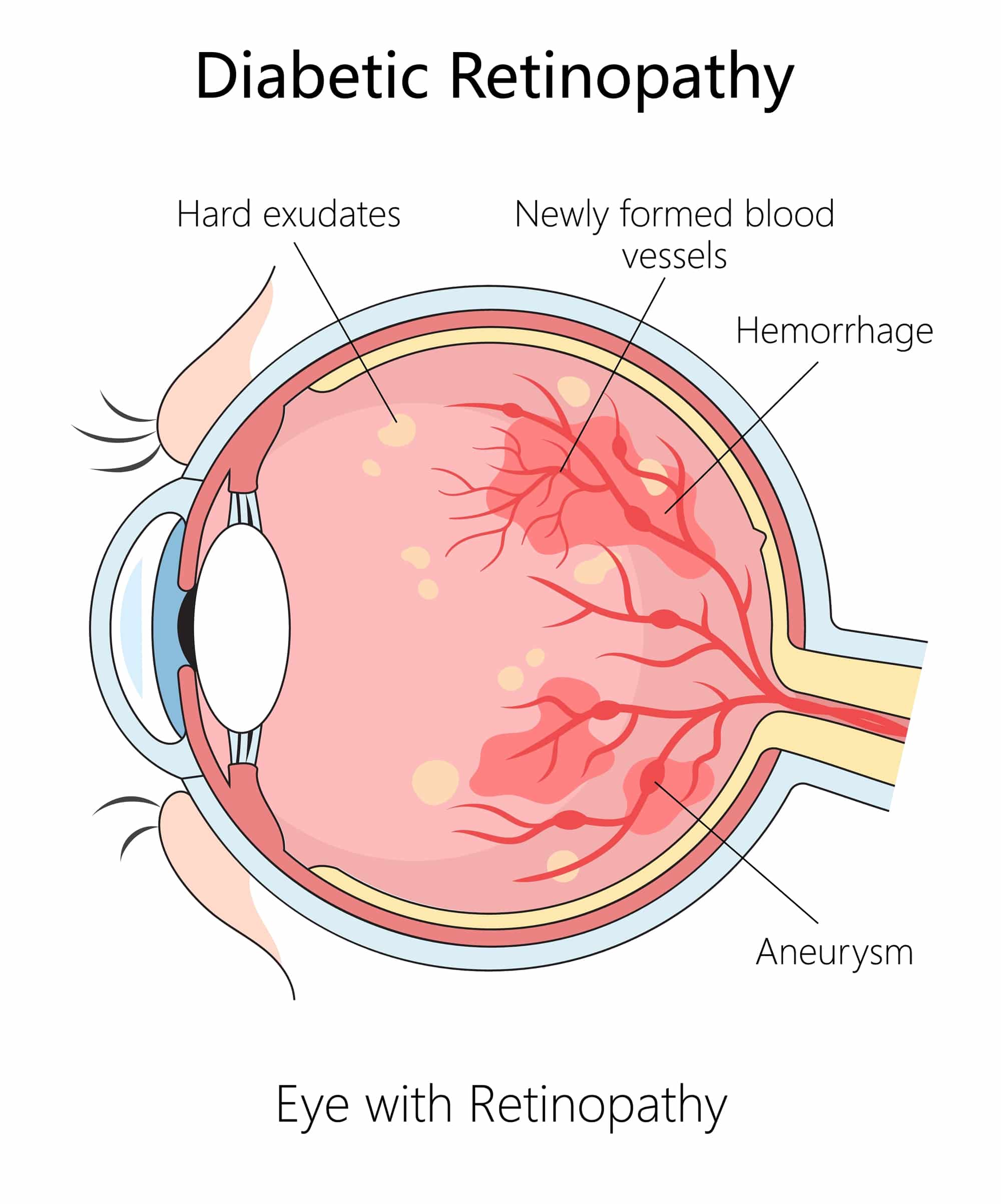
Diabetic retinopathy is the eye disease caused by diabetes: blood sugar that stays high damages the small blood vessels in the retina, which then leak, swell, and, in advanced disease, grow abnormal new vessels. Early diabetic retinopathy usually causes no symptoms, and well-controlled blood sugar lowers the risk but doesn’t eliminate it. So every patient with diabetes needs a dilated eye exam once a year, symptoms or not. We watch your retinas closely, share what we find with your primary care doctor or endocrinologist, and bring in a retina specialist when treatment is needed.
What Causes Dry Eyes? (Dry Eye Syndrome)
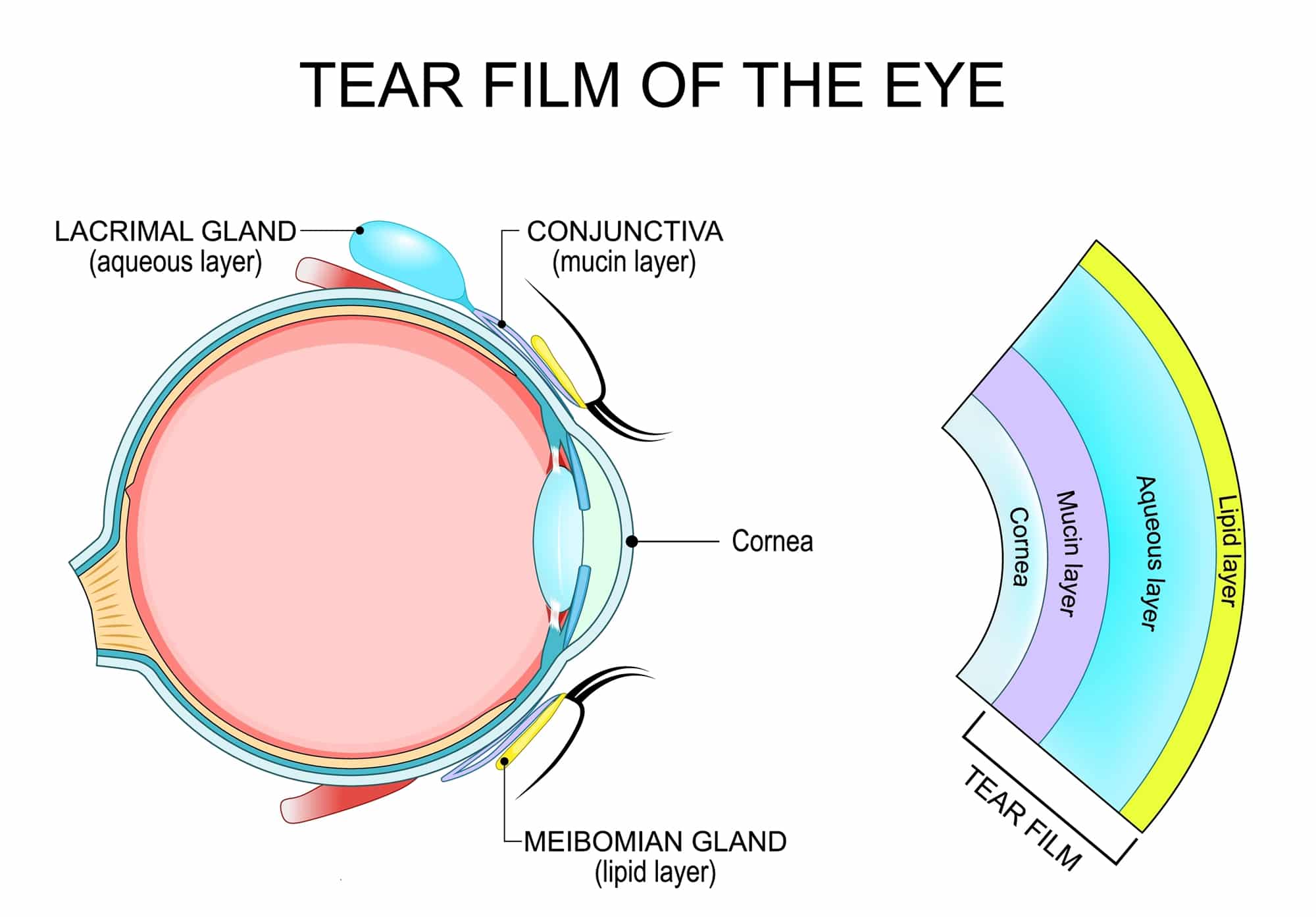
Dry eye happens for one of two reasons: your eyes don’t make enough tears, or the tears they make evaporate too quickly. The second problem, caused by clogged oil glands in the eyelids (doctors call it meibomian gland dysfunction, or MGD), is by far the more common of the two, and screen time makes both worse because we blink less when we stare. Symptoms include burning, grittiness, the feeling that something is in your eye, redness, light sensitivity, and, oddly enough, watery eyes: when the surface gets too dry, the eye floods itself with reflex tears. Dry eye is one of the most common problems we see at our Irvine office. Treatment starts simple, with artificial tears and warm compresses, and steps up from there to prescription drops, punctal plugs (tiny plugs that help your own tears stay on the eye longer), and amniotic membrane treatment for severe cases.
What Is a Cataract, and When Is It Time for Surgery?
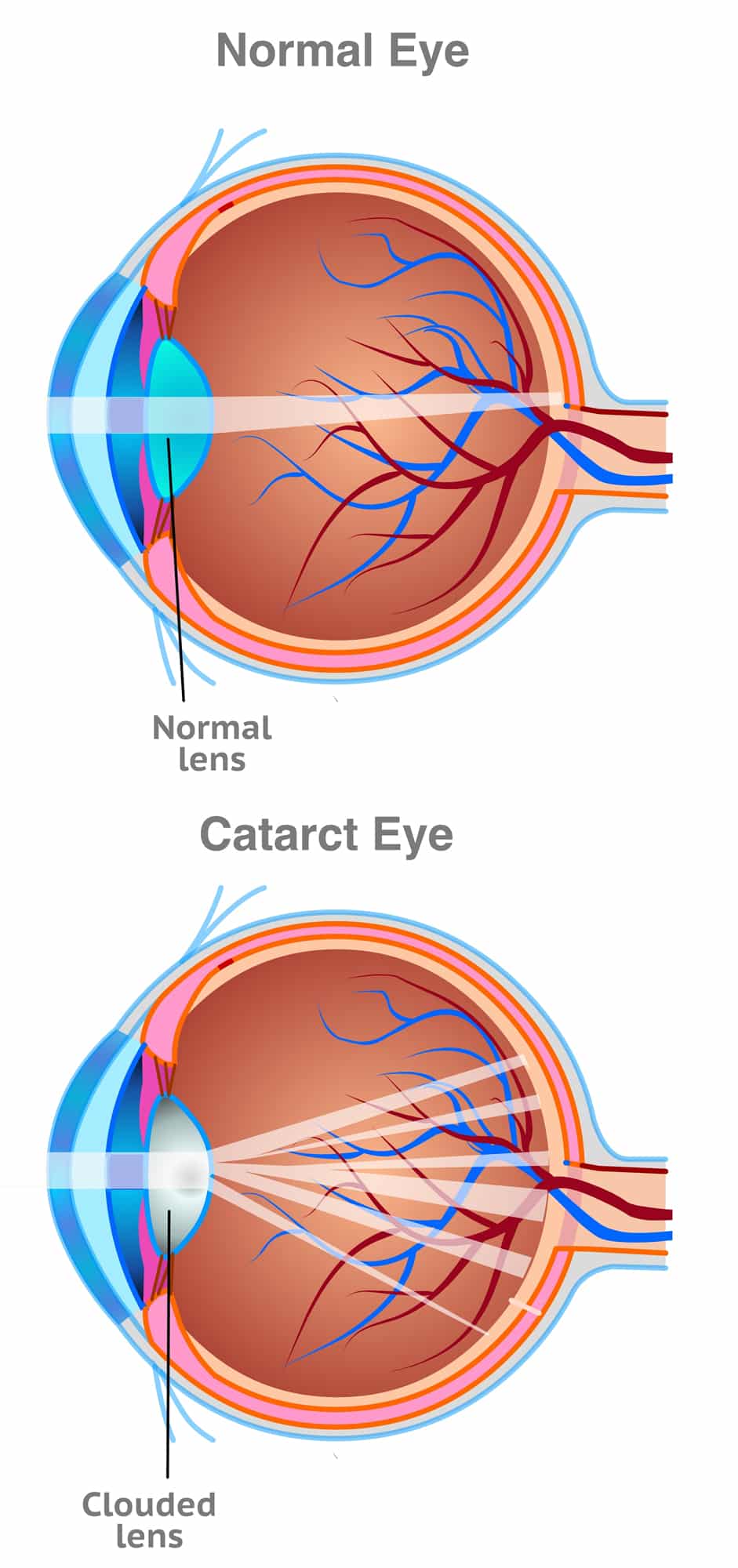
A cataract is clouding of the natural lens inside your eye, the lens that focuses light onto the retina. As it clouds, vision slowly gets blurrier, glare from headlights and sunlight gets worse, and new glasses stop helping. The fix is surgery: we remove the cloudy lens and replace it with a clear artificial lens implant, as an outpatient procedure. You have choices in the lens that goes in. A standard lens implant gives excellent vision and is the right choice for many patients; upgraded lenses can reduce how much you depend on glasses afterward, and we’ll walk you through which makes sense for your eyes. Medicare and most insurance plans cover cataract surgery once the cataract interferes with your daily life. Upgraded lenses are an out-of-pocket option, never a requirement.
Red Eyes (Ocular Redness)
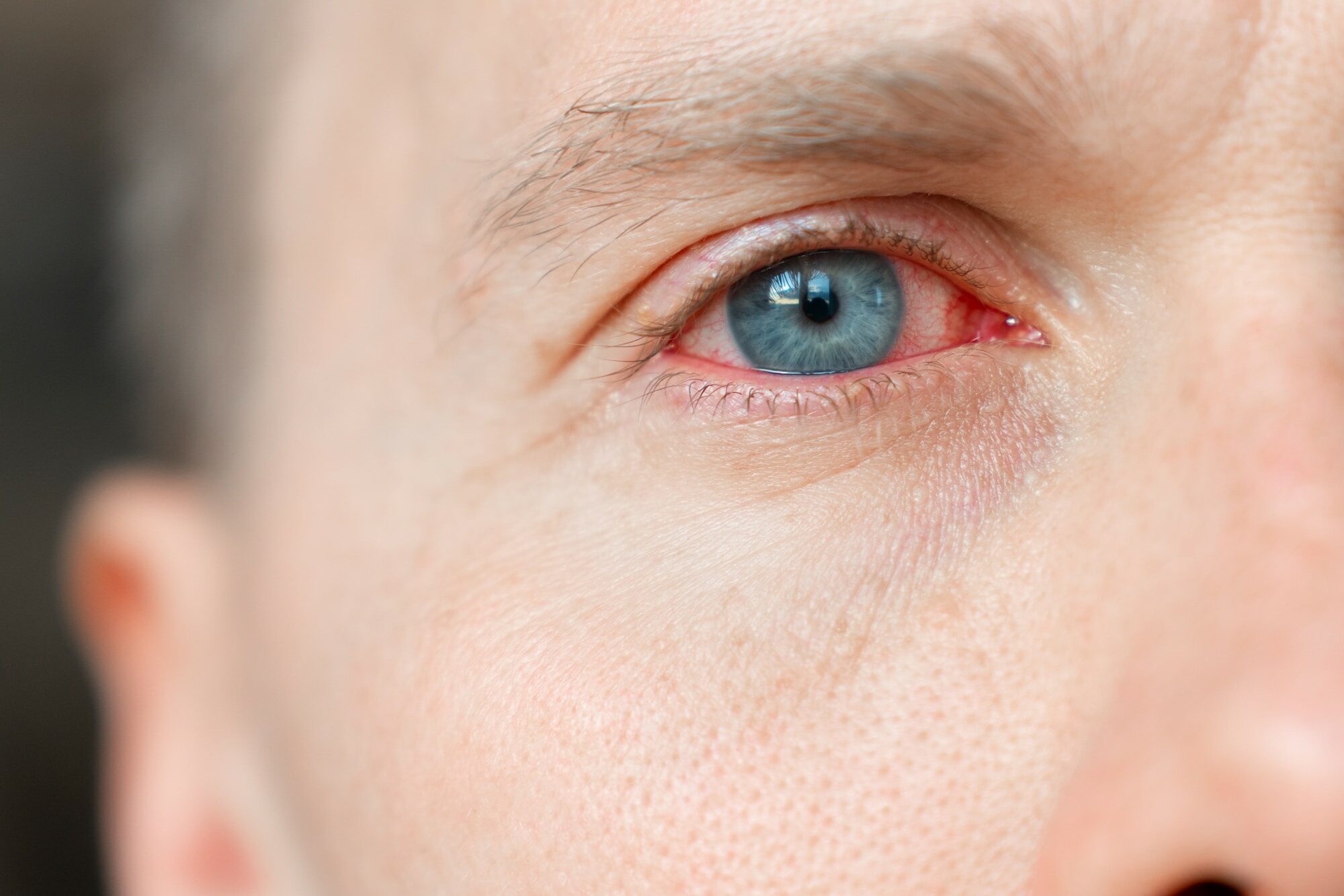
A red eye by itself is usually not dangerous. Allergies, dryness, irritation, and mild infections are the common causes, and most settle on their own. But if redness lasts more than a week or two, or comes with pain, discharge, light sensitivity, or any change in your vision, come in and let us look.
Pink Eye (Conjunctivitis)
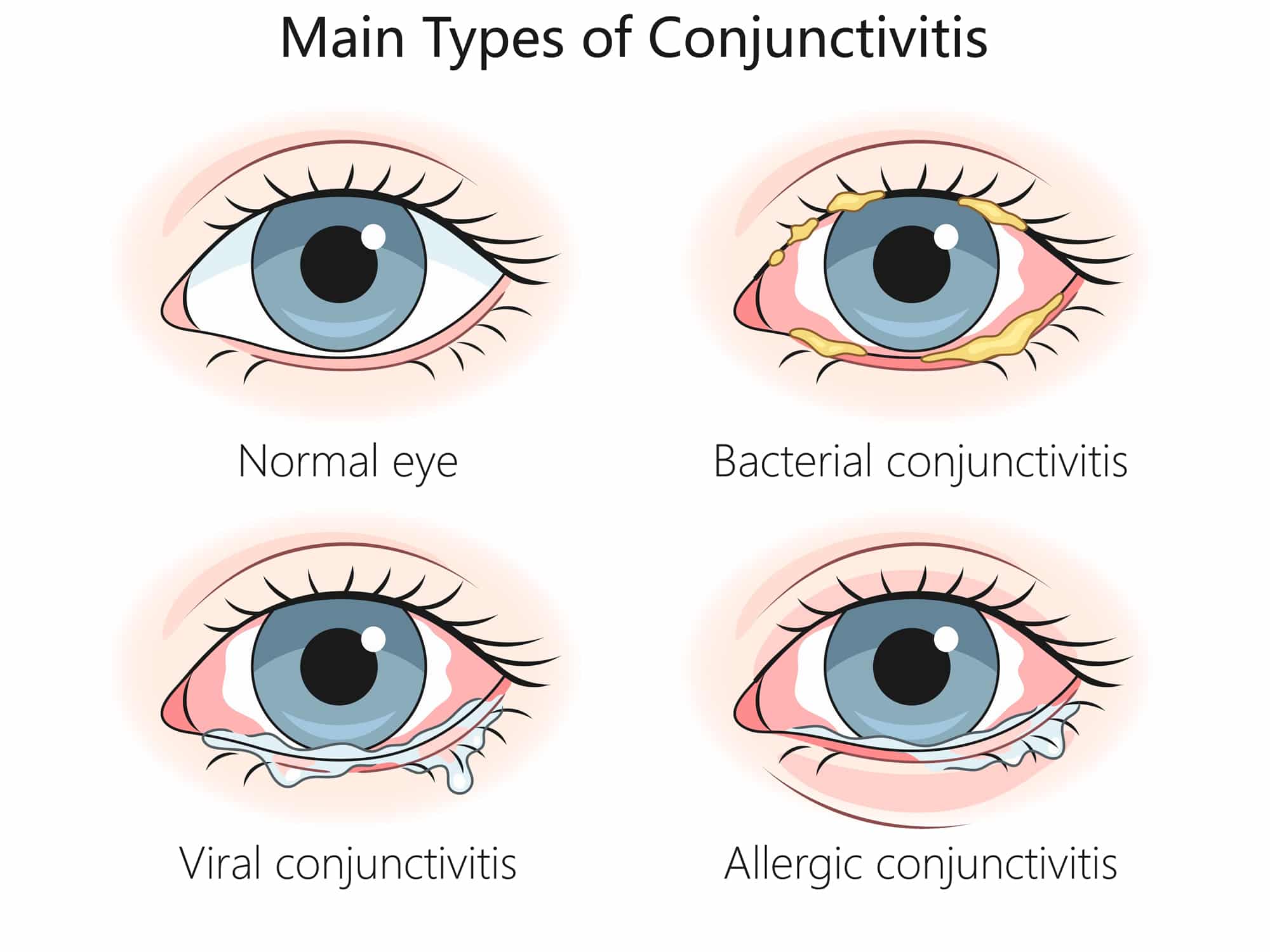
Pink eye is inflammation of the thin membrane that lines the eyelid and covers the white of the eye. Most cases in adults are viral and clear up on their own. Allergic cases itch and respond to allergy treatment. Bacterial cases, which are more common in children than in adults, usually need prescription antibiotic drops. The treatments are different, so it helps to know which one you have. A quick exam can tell you which type it is.
Visual Field Defects
A visual field defect is a blind spot, or an area of dim or missing vision, somewhere in your central or side vision. Glaucoma, retinal disease, strokes, and other neurological conditions can all cause one, and most people don’t notice a defect until it shows up on a test, because the brain fills in the gap. Visual field testing is a standard part of how we find and follow these changes.

Eye Floaters and Flashes
Floaters are the small specks, threads, or cobwebs that drift across your vision. Most of the time they’re harmless: little clumps in the gel inside the eye casting shadows on the retina as the gel changes with age. But a sudden shower of new floaters, flashes of light, or a dark curtain moving across your vision can be a sign of a retinal tear or detachment, and that needs a dilated exam right away, the same day if possible. If that’s happening to you, call us before you do anything else.
Vision Loss
Vision loss can be gradual or sudden, and the difference matters. Gradual loss usually comes from chronic conditions like glaucoma, macular degeneration, or diabetic retinopathy, and the earlier it’s caught, the more vision can be protected. Sudden loss is treated as an emergency until proven otherwise, because it can mean a retinal detachment, a blocked blood vessel, or another problem where time matters. If you lose vision suddenly, in one eye or both, call us the same day. If it happens after hours, go to an emergency room.


Why Is My Vision Blurry, Foggy, or Dim?
Most blurry vision traces back to a glasses prescription that’s no longer right, cataract, dry eye, or a problem in the retina. The pattern helps us tell them apart. Blur that comes and goes, especially during reading or screen time, is often dry eye, one of the most overlooked causes of blurry vision. Slowly worsening blur with glare at night points toward cataract. Distortion, or a smudge that stays in the same spot, is more concerning and usually means the retina. A comprehensive exam usually tells us which one is at work, and each has its own fix.
Refractive Errors (Nearsightedness, Farsightedness, and Astigmatism)
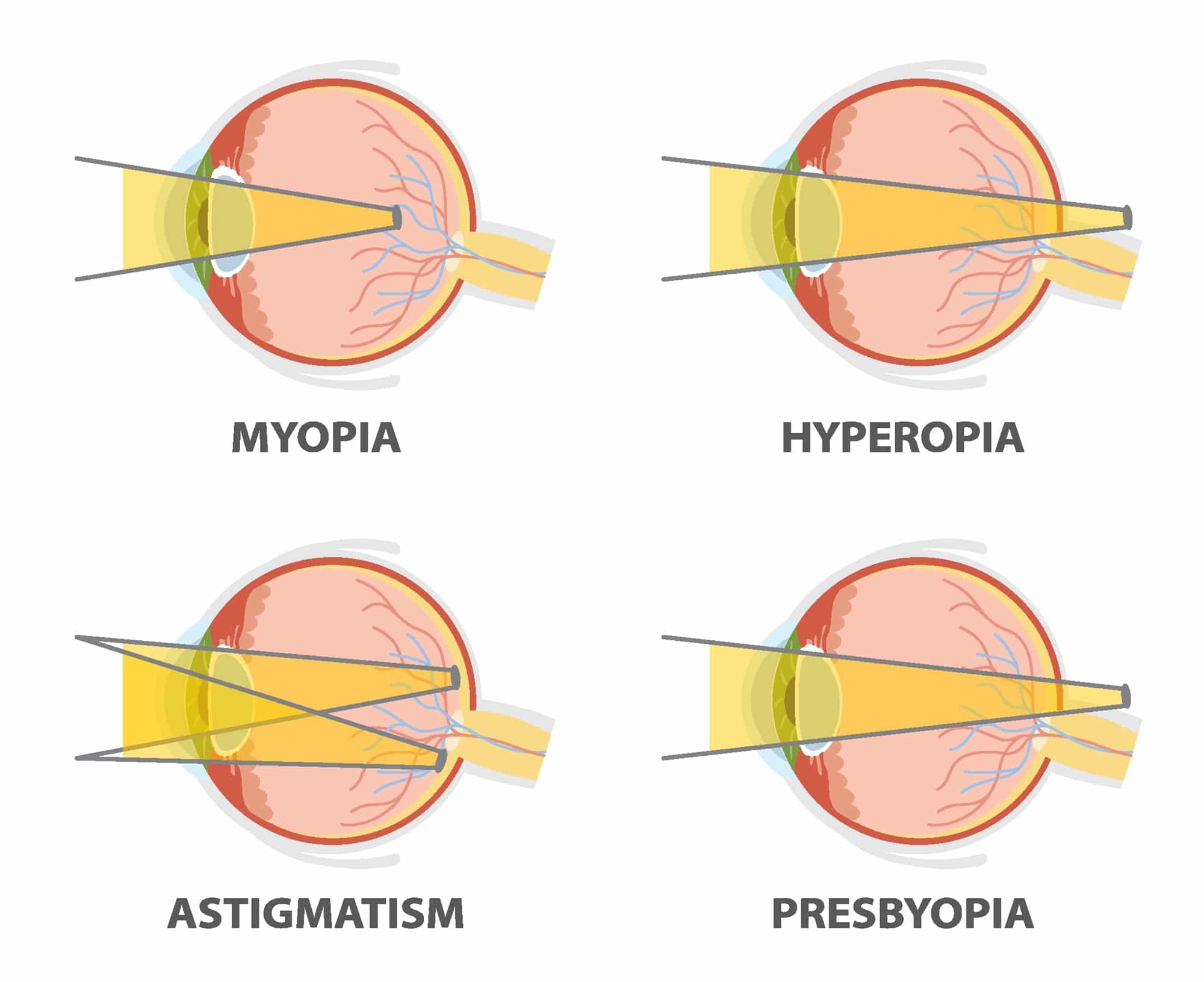
Refractive errors are focusing problems, not diseases: the shape of the eye keeps light from landing precisely on the retina. Myopia (nearsightedness) blurs things far away, and hyperopia (farsightedness) does the opposite, blurring things up close. Astigmatism comes from an unevenly curved cornea and blurs vision at any distance. Glasses and contact lenses correct nearly all refractive errors. If you’d rather depend on them less, ask us about LASIK or refractive lens exchange at your exam; not everyone is a candidate, and we’ll tell you honestly if you’re not.
High Eye Pressure (Intraocular Pressure)
Eye pressure is the pressure of the fluid inside your eye, and by itself, high pressure is not glaucoma: it’s the main risk factor for it. We measure it at every comprehensive exam, because finding high pressure early lets us watch the optic nerve closely and lower the pressure before damage happens rather than after. Not everyone with high pressure goes on to develop glaucoma, but there’s no way to know in advance without following the nerve over time.
When to Come See Us
If any of this sounds familiar, call our Irvine office at (949) 653-9500 to schedule an exam. If your symptoms came on suddenly, say so when you call so we can get you in quickly.
Medically reviewed by Todd Driver, MD, board-certified ophthalmologist, OC Eye Associates, Irvine, CA.