A comprehensive eye exam does more than update your prescription. It looks at the health of every structure inside your eye, screens for diseases that can quietly cause vision loss, and gives us a baseline to monitor over time.
Routine Exams and Disease Management Under One Roof
Dr. Daniel Kline and Dr. Todd Driver are board-certified ophthalmologists. They lead a team of optometrists and surgeons who handle everything from a routine annual exam to complex disease management, all in the same office.
What Happens at a Comprehensive Eye Exam
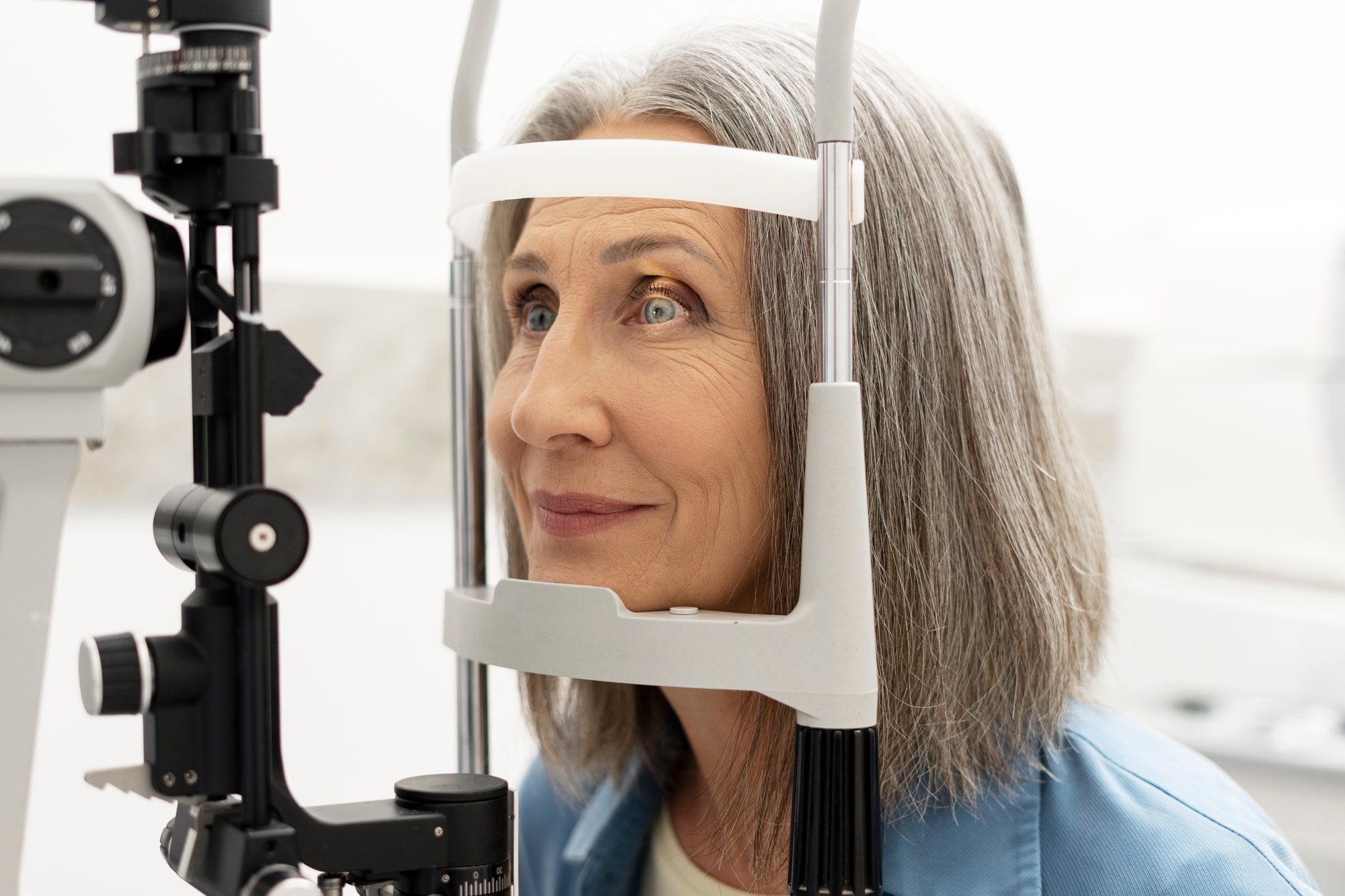
A full exam takes us through several layers. We measure visual acuity and refraction to identify nearsightedness, farsightedness, and astigmatism. We check how the two eyes work together, measure intraocular pressure, and use advanced imaging like optical coherence tomography (OCT) and fundus photography to look at the cornea, lens, retina, and optic nerve in detail.
Most adults benefit from an annual exam. If you have diabetes, a family history of eye disease, or are over 60, you should be seen regularly. Many serious eye conditions don’t cause symptoms until damage has already happened. Catching them early is very important.
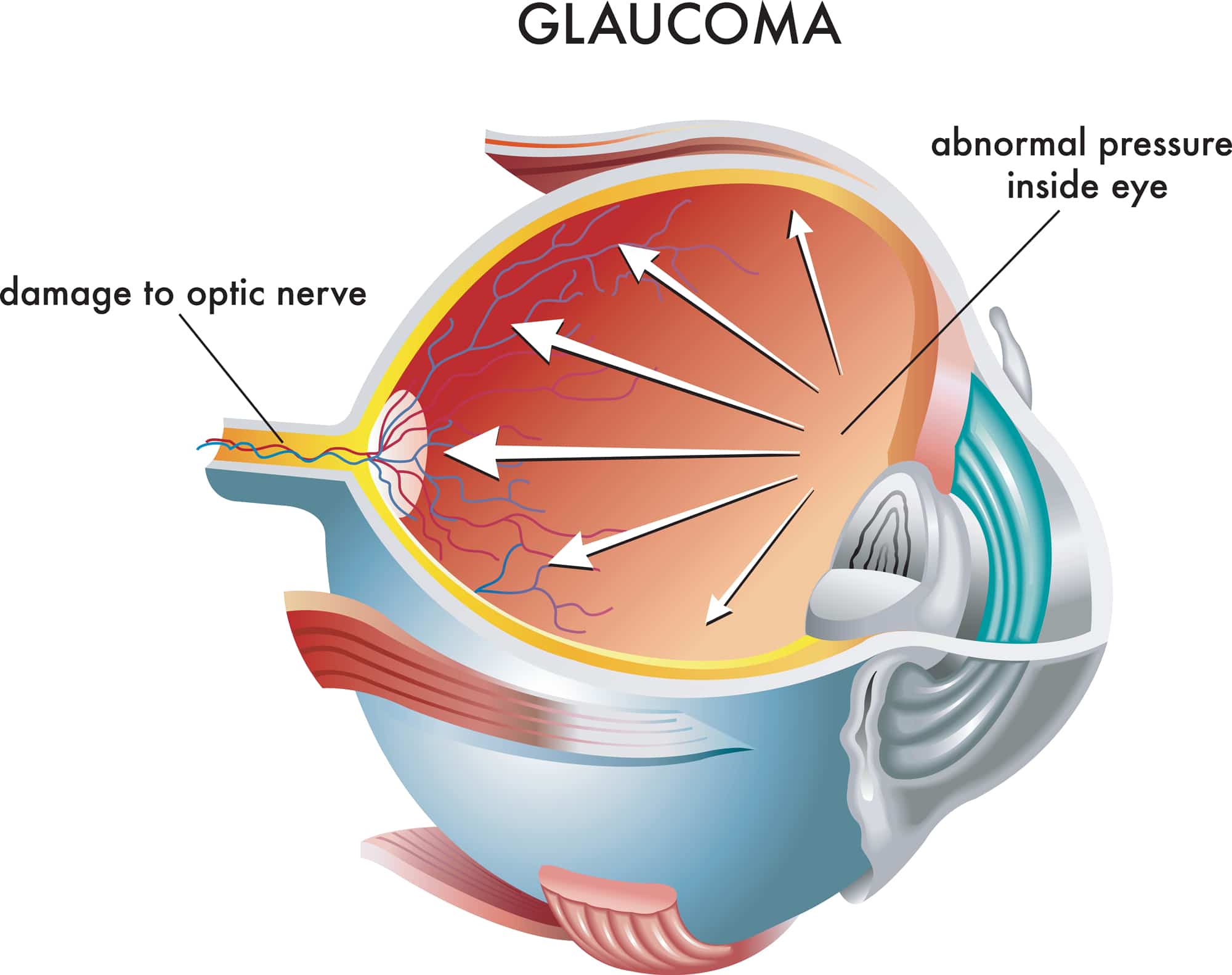
Glaucoma is one of the leading causes of irreversible vision loss, and it is often silent in its early stages. There are usually no symptoms until significant peripheral vision has already been lost, and once it is gone it cannot be recovered.
At every comprehensive exam we measure intraocular pressure, which is the primary risk factor. We look at the optic nerve, and if anything looks suspicious, we perform glaucoma testing including an OCT of the optic nerve and visual field testing. Patients with a family history, elevated pressure, or age over 60 are at higher risk and benefit most from consistent monitoring.
When glaucoma is caught early, we have multiple options to manage it: eye drops, laser procedures such as SLT, and surgical options including MIGS. The earlier treatment begins, the more vision we are able to preserve.
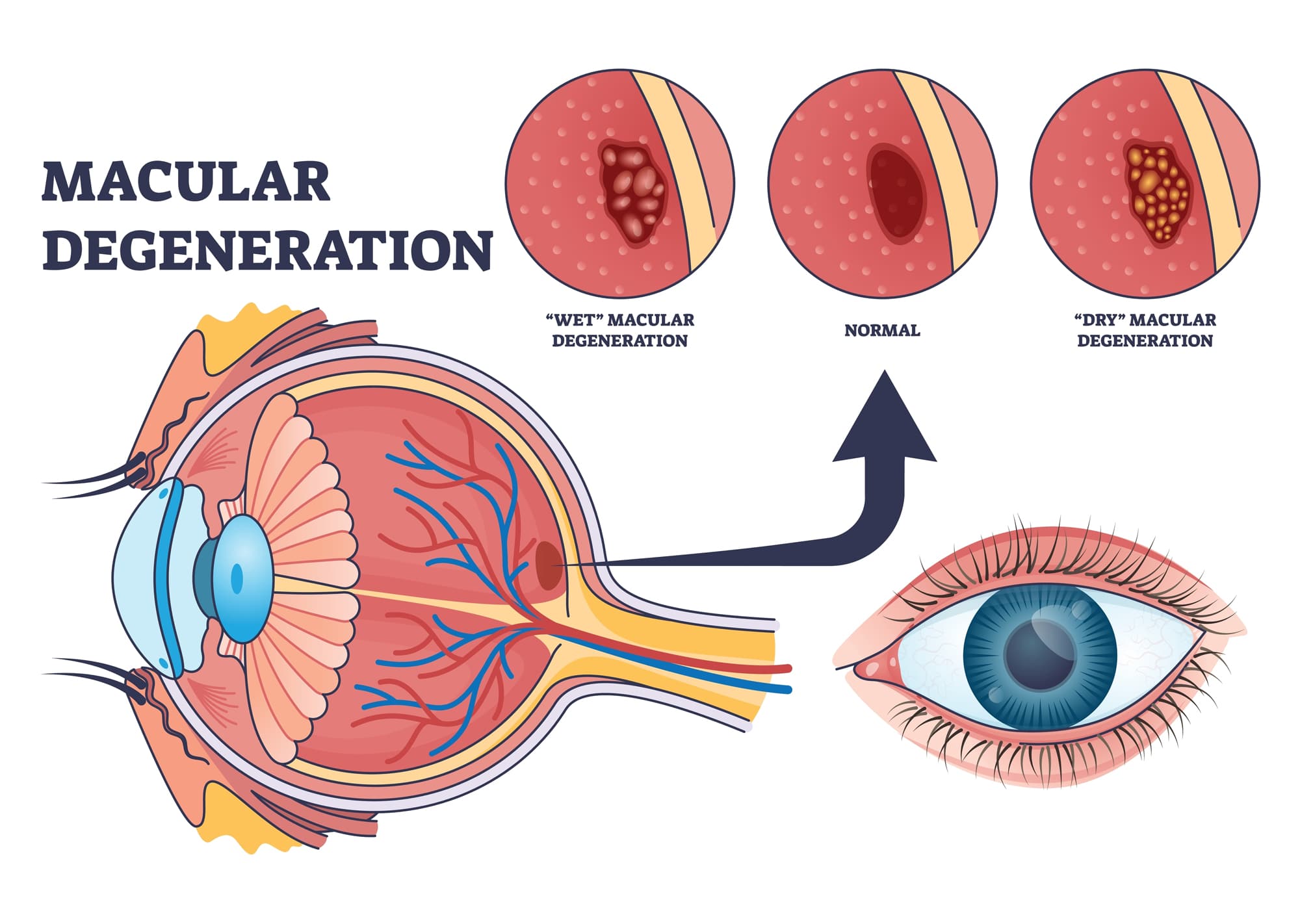
Age-related macular degeneration (AMD) damages the macula, which is the central part of the retina responsible for sharp, detailed vision. It’s a leading cause of vision loss in adults over 50.
There’s no cure for AMD, but there are ways to slow its progression. Early detection is the foundation. During your exam we look for the small drusen deposits and pigment changes that signal early AMD. Patients diagnosed early can take advantage of monitoring, AREDS2 vitamin supplementation, and intravitreal injections for wet AMD if needed.
If you ever notice straight lines looking wavy, a new dark spot in the center of your vision, or sudden changes in your central vision, it’s important to schedule an exam promptly.
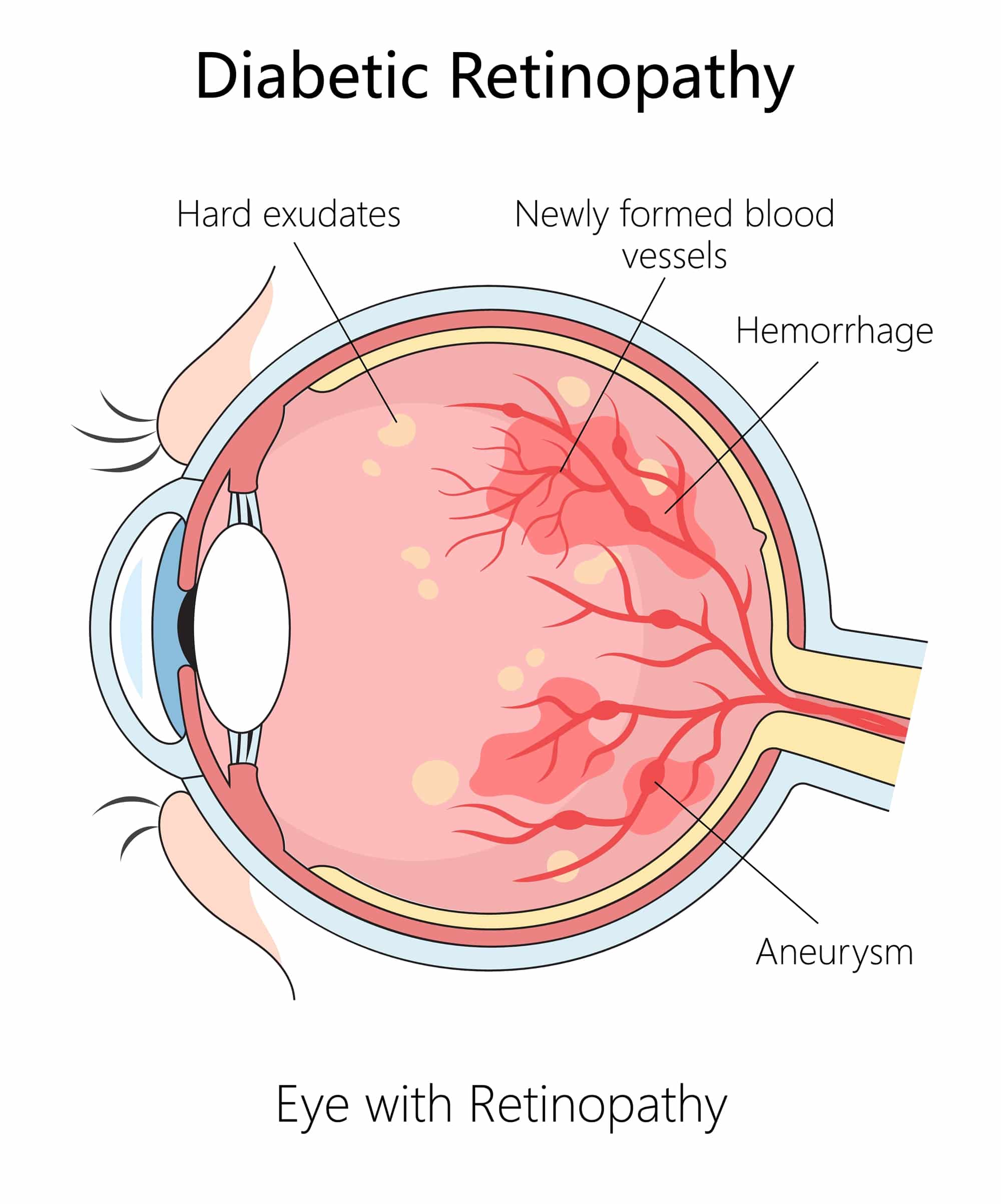
Diabetes can have a significant impact on the health of your eyes. Diabetic retinopathy develops when chronic elevation of blood sugar damages the small blood vessels in the retina. Over time, those vessels can leak, swell, and in advanced disease grow abnormally.
The American Diabetes Association and the American Academy of Ophthalmology both recommend a dilated eye exam at least once a year for diabetic patients. Early diabetic retinopathy has no symptoms, which is exactly why annual screening matters. If we see changes, we coordinate care with your primary doctor or endocrinologist and can coordinate more advanced treatment with our retina colleagues if needed.
Dry eye is one of the most common conditions we see, and one of the most frequently overlooked. It can interfere with screen use, cause intermittent blurring of vision, and make contact lens wear difficult or impossible.
There are two underlying mechanisms: aqueous deficiency, where the tear glands do not produce enough tears, and evaporative dry eye, usually caused by meibomian gland dysfunction (MGD), where the tears evaporate too quickly because the oil layer of the tear film is insufficient. MGD accounts for the majority of dry eye cases. Common symptoms include burning, grittiness, a foreign body sensation, redness, light sensitivity, and paradoxically, excessive tearing.
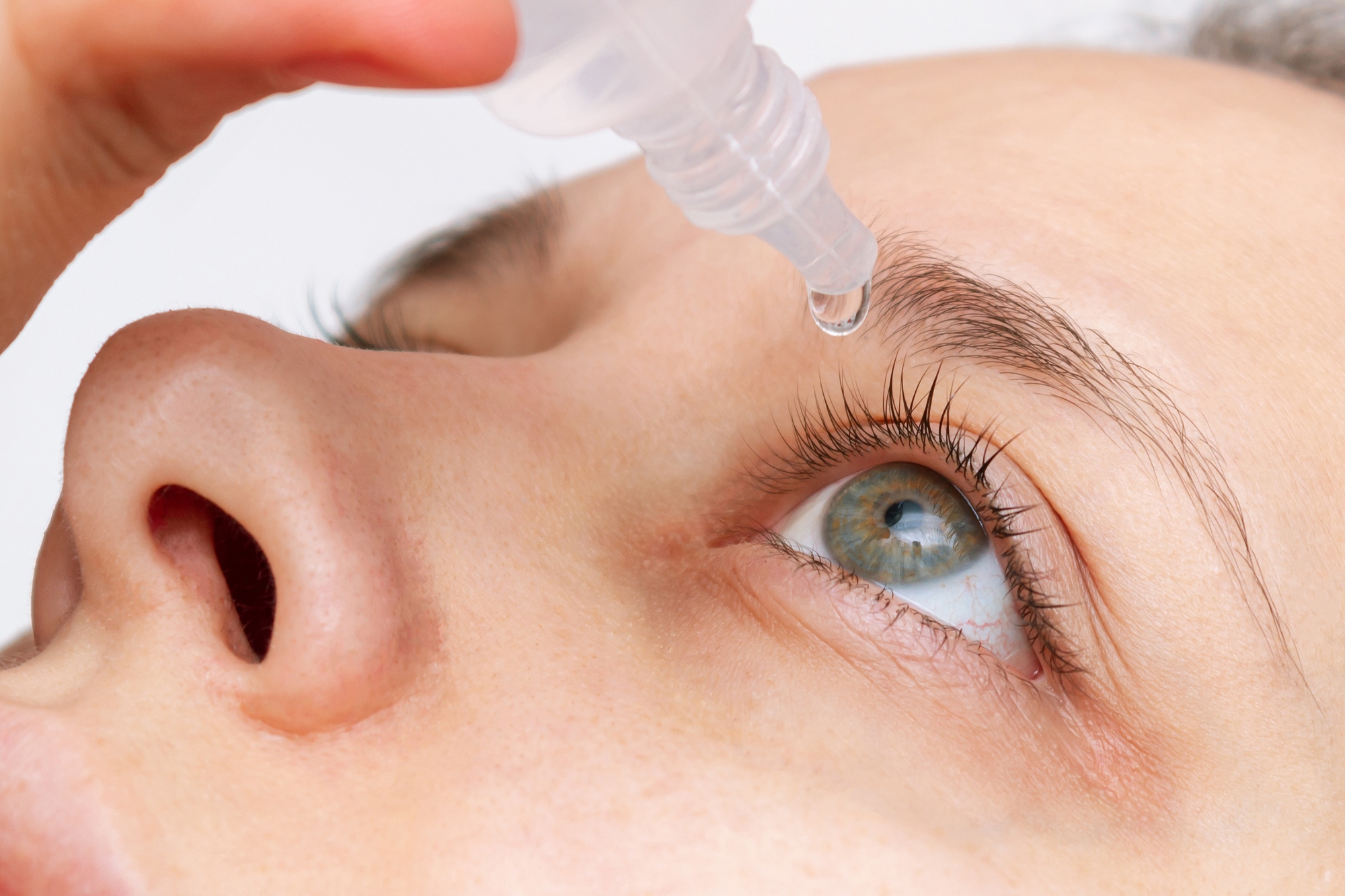
Dry eye is very treatable once we know what’s causing it. Treatment options range from artificial tears and prescription drops to punctal plugs, and amniotic membrane therapy for severe cases.
We also evaluate and treat a wide range of common eye concerns. Red, irritated eyes from allergies or environmental causes. Conjunctivitis (pink eye), whether viral, bacterial, or allergic. Foreign body sensation. Eyelid problems like styes, chalazia, and blepharitis. Ruling out a retinal tear for new onset flashes and floaters.
If you are experiencing new or concerning eye symptoms, please contact our office. We can typically see urgent issues the same day.
Diagnostic Testing We Use
Optical coherence tomography (OCT). High-resolution cross-sectional imaging of the retina and optic nerve. Critical for glaucoma, AMD, and diabetic eye disease.
Fundus photography. Detailed photos of the retina for baseline documentation and tracking changes over time.
Visual field testing. Maps your central and peripheral vision to detect blind spots you may not notice on your own. Essential for glaucoma monitoring.
Corneal topography and tomography. 3D mapping of the cornea’s shape, used for keratoconus screening, contact lens fitting, and pre-surgical evaluation.
Pachymetry. Measures corneal thickness, which factors into both glaucoma risk and refractive surgery candidacy.
Frequently Asked Questions
For most healthy adults, we recommend an eye exam every one to two years. For patients with diabetes, a family history of glaucoma or macular degeneration, or anyone over 60, annual exams are appropriate.
An ophthalmologist is a medical doctor (MD) with a residency in ophthalmology and often fellowship subspecialty training. Ophthalmologists perform eye surgery and manage complex disease. An optometrist (OD) provides primary eye care, exams, prescriptions, and basic disease management. We have both on staff, which means routine care and surgical care happen under the same roof.
Your current glasses or contacts, a list of medications you take, your insurance card, and any prior eye care records if you’re a new patient. Family history of eye disease is also helpful information for your doctor.
Yes. The retina is the one place in the body where we can directly see your blood vessels and nerves. That window often shows changes from diabetes, high blood pressure, autoimmune disease, and rarely tumors or other serious conditions before patients notice symptoms anywhere else.
For a comprehensive exam, usually yes. Dilation allows us to see the full retina and optic nerve clearly. Your near vision will be blurry and you will be light sensitive for a few hours afterward, so we recommend bringing sunglasses to your appointment. Some patients prefer to arrange a ride home.
We accept most major medical and vision insurance plans. Have your card handy when you book and our team will verify your benefits before your appointment so you know what’s covered.
Schedule Your Eye Exam
Your vision is worth protecting. Whether you are due for an annual exam, noticing changes in your vision, or simply want a baseline from an ophthalmology-led practice, the team at OC Eye Associates is here to help. Call our Irvine office or request an appointment online.
OC Eye Associates serves comprehensive eye care patients throughout Orange County, including Irvine, Newport Beach, Tustin, Costa Mesa, Anaheim, Huntington Beach, Mission Viejo, Laguna Woods, Laguna Niguel, Laguna Beach, and Dana Point.